
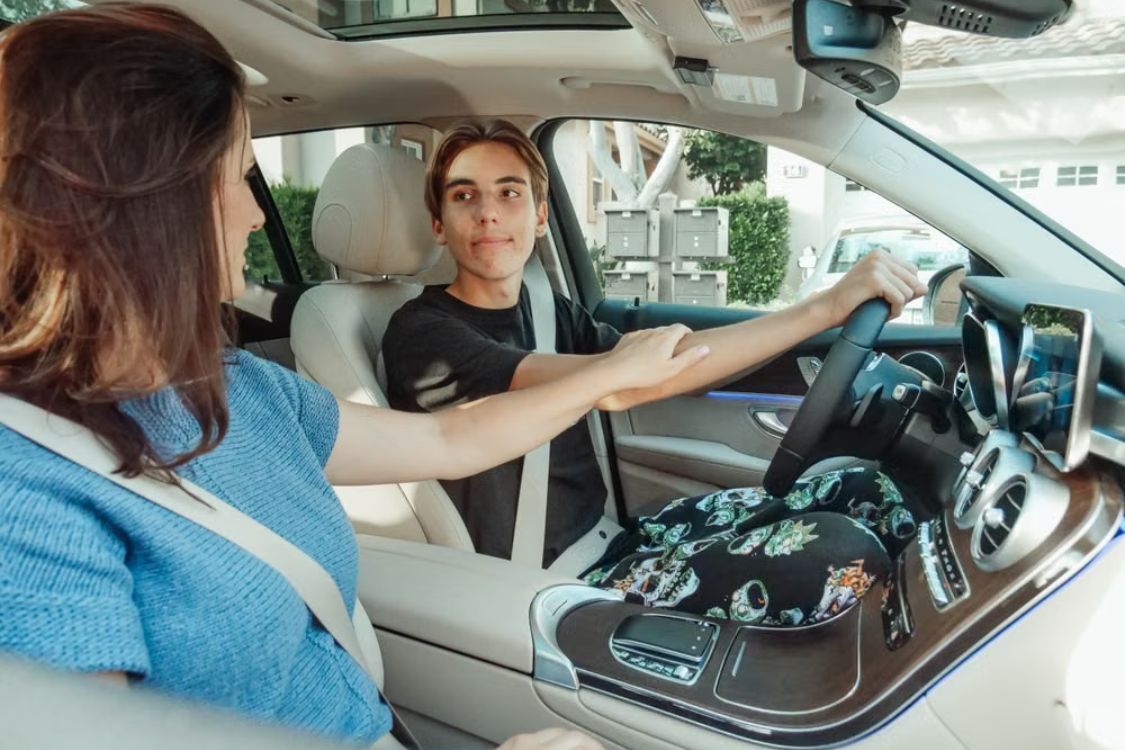
Learning to drive is an important milestone for many people. It represents independence, freedom, and the ability to travel without relying on others. However, driving also brings serious responsibilities. New drivers need more than basic vehicle-control skills to become safe and confident on the road.
Driver education provides an important foundation for developing responsible driving habits. Learning traffic rules, understanding road signs, recognizing hazards, and making sensible decisions can help new drivers become better prepared for everyday situations. Proper education can also give parents and instructors useful ways to guide young drivers during their learning journey.
Parents and grandparents often play an important role in helping teenagers develop good driving habits. Their guidance and everyday examples can influence how new drivers approach safety, concentration, and responsibility. Educational resources can make these conversations easier by providing useful information that families can discuss while practicing driving together.
Michael Templeton focuses on the importance of driver education and practical training through the Right Turn resource. The goal of providing useful driving information is to help learners and families better understand the responsibilities that come with operating a vehicle. Having reliable educational material can make the learning process more organized and meaningful for new drivers.
Driver Education Goes Beyond Passing a Test
Passing a driving test is only one step toward becoming a responsible driver. Real-world driving requires continuous learning, awareness, and good judgment. Drivers may encounter heavy traffic, unfamiliar roads, changing weather, pedestrians, cyclists, and unexpected situations.
A strong driver education program helps learners understand how to respond appropriately rather than simply memorize information. This type of preparation can give new drivers a better understanding of what responsible driving looks like in everyday situations.
Building Safer Driving Habits
Safe driving begins with consistent habits. Staying focused on the road, following traffic regulations, maintaining an appropriate speed, and avoiding distractions are all important parts of responsible driving.
Young drivers are still developing their experience and judgment, which makes good habits particularly valuable. When these habits are introduced early and reinforced through practice, they can become a natural part of a driver's routine.
Defensive driving is another important part of driver education. Instead of focusing only on what is happening directly ahead, drivers should remain aware of their surroundings and anticipate potential problems. This awareness can help them make safer decisions.
The Importance of Confidence
Many new drivers feel nervous when they first get behind the wheel. This is understandable because driving requires attention, coordination, and decision-making at the same time.
Confidence should develop through knowledge and practice rather than through unnecessary risks. Supervised practice and clear instruction can help learners gradually become more comfortable with different road situations.
When drivers understand what to expect, they are often better prepared to make calm and responsible decisions. This is why education and practice should work together throughout the learning process.
How Families Can Support New Drivers
Families can make a significant difference in the development of young drivers. Parents and grandparents can reinforce lessons from formal instruction by encouraging safe behavior during everyday trips.
Simple conversations can also be useful. Discussing traffic situations, explaining why certain decisions are safer, and encouraging concentration can help young drivers think more carefully about their actions.
Positive examples are equally important. Experienced drivers should remember that new drivers often observe their behavior. Following traffic rules and demonstrating patience can help reinforce the lessons being taught.
Preparing for Modern Driving Conditions
Today's drivers experience a wide range of road and traffic conditions. Modern vehicles may also include advanced safety features and technology that require drivers to understand how they work.
Technology can provide valuable assistance, but it does not replace attention and responsible decision-making. Drivers still need to remain focused and understand their surroundings.
Continued education can help motorists adapt as roads, vehicles, and driving environments change. Learning should therefore be viewed as an ongoing process rather than something that ends after receiving a license.
Creating a Stronger Road-Safety Culture
Road safety depends on the actions of everyone who uses the road. Responsible drivers can contribute to a safer environment by following regulations, staying alert, and respecting other road users.
Driver education can help establish this mindset from the beginning. When young drivers understand that their decisions affect passengers, pedestrians, cyclists, and other motorists, they may develop a stronger sense of responsibility.
Families, instructors, and educational resources can work together to encourage these positive behaviors.
Conclusion
Learning to drive is about much more than controlling a vehicle. It involves developing awareness, responsibility, patience, and sound decision-making skills.
Quality driver education can give new motorists a strong foundation while helping families support them throughout the learning process. Resources such as Right Turn demonstrate how structured information can contribute to better understanding and safer driving habits.
By combining education with practice and responsible guidance, new drivers can become more prepared for real-world situations and contribute to a safer road environment.