
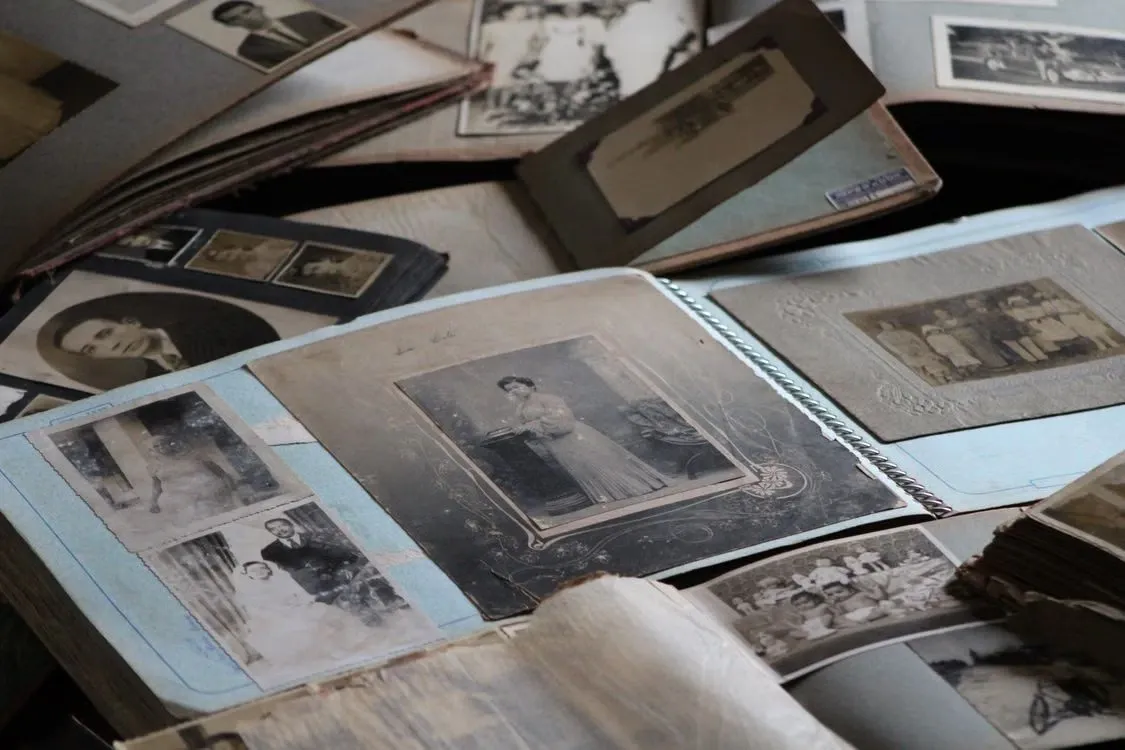
Stories have long been used to preserve memories and pass experiences from one generation to another. Danielle Antonio Klassen represents the creative value of sharing personal perspectives through storytelling, showing how individual experiences can become meaningful narratives for wider audiences. Whether a story is written, performed, or presented through another creative medium, it can preserve moments that might otherwise fade with time.
Storytelling is more than simply describing events. It provides an opportunity to explore emotions, relationships, challenges, and lessons that give experiences their deeper meaning.
The Importance of Preserving Personal Memories
Memories can change over time. Details may become less clear, and important moments can eventually be forgotten. Writing and storytelling provide a way to preserve those experiences in a lasting form.
A personal story can document important stages of life, family experiences, professional journeys, or moments of personal change. Once recorded, these stories can be revisited years later and shared with people who were not present when the original events occurred.
This makes storytelling an important tool for preserving personal history.
Stories Connect People Across Generations
Generational differences can sometimes make it difficult for people to understand each other's experiences. Stories can help bridge that gap.
When older generations share stories about their experiences, younger readers or family members can gain insight into different periods, circumstances, and perspectives. These narratives can provide context that cannot always be communicated through simple facts.
At the same time, younger generations can share their own experiences and perspectives, creating an ongoing exchange of ideas and memories.
The Emotional Power of Memories
A story becomes more engaging when it captures the emotions connected to an experience. Happiness, uncertainty, excitement, disappointment, determination, and hope can all give a narrative greater depth.
Emotional details help readers understand not only what happened but also why an event mattered.
This does not require dramatic storytelling. Even a simple memory can become meaningful when the emotions surrounding it are presented honestly.
Everyday Experiences Can Become Valuable Stories
People sometimes assume that only extraordinary events are worth writing about. In reality, everyday experiences can contain valuable insights.
A family gathering, a career decision, a new opportunity, or a period of change may seem ordinary when it happens. Looking back, however, these moments can reveal important lessons about relationships, choices, and personal development.
Storytelling allows writers to recognize the significance of these experiences and share them with others.
Storytelling as a Creative Process
Turning memories into a story requires creativity. Real life rarely follows a perfectly organized narrative, so writers need to decide which details are most important and how they should be presented.
A writer may choose to focus on a particular event, relationship, period, or personal transformation. The structure of the story can then guide readers through the experience.
This creative process can transform a collection of memories into a narrative with purpose and direction.
Learning From Past Experiences
One of the benefits of revisiting personal experiences is the opportunity to learn from them. Time can provide a different perspective on events that were difficult or confusing when they first occurred.
Writing about the past can help people identify patterns, recognize personal growth, and understand how previous experiences influenced later decisions.
For readers, these reflections can also provide useful perspectives. Someone else's experience may encourage them to think differently about challenges in their own lives.
The Role of Family Stories
Family stories can be particularly valuable because they help preserve connections between generations. Stories about relatives, traditions, important decisions, and shared experiences can provide younger family members with a greater understanding of their background.
These stories do not need to be formal historical records. A collection of personal memories can be just as meaningful.
Over time, family stories can become part of a shared identity and provide future generations with a connection to the people and experiences that came before them.
Storytelling Beyond the Written Word
Although writing is one of the most common ways to preserve stories, it is not the only option. Storytelling can also take place through theater, film, television, interviews, audio recordings, and other creative formats.
Different forms allow storytellers to communicate in different ways. Performance can bring emotion and character to life, while written narratives allow readers to imagine events through language.
The choice of medium depends on the story and the audience, but the underlying purpose remains similar: communicating experiences in a meaningful way.
Authenticity Makes Stories More Memorable
A story does not need to be perfect to be meaningful. In many cases, honest storytelling is more engaging because readers can recognize the human experiences behind the narrative.
Authenticity allows writers to acknowledge uncertainty, change, and complexity. Instead of presenting life as a simple sequence of successes, personal stories can show the experiences and decisions that shape people over time.
This honesty can create stronger connections between storytellers and audiences.
Encouraging Future Generations to Tell Their Stories
Preserving stories is not only about remembering the past. It can also encourage future generations to document their own experiences.
When people understand the value of personal narratives, they may become more interested in recording important moments from their own lives.
This creates a continuing cycle of storytelling in which experiences are shared, remembered, and eventually passed forward.
Conclusion
Storytelling provides a powerful way to preserve memories, explore personal experiences, and connect people across generations. A meaningful narrative can transform an individual memory into something that others can understand, appreciate, and remember.
By recording everyday experiences, family memories, personal challenges, and moments of growth, storytellers can create lasting records of the human experience.
Whether shared through writing, performance, film, or another creative form, stories have the ability to carry memories forward. They remind us that experiences can become valuable sources of connection, reflection, and understanding long after the original moment has passed.